When I look at the cyberattacks on Minnesota water systems, I don’t see just another headline about hackers and infrastructure. I see a warning sign. I see how quickly a local utility issue can become a national security concern, and I see how fragile the systems behind something as basic as drinking water can be when they are exposed to the internet.
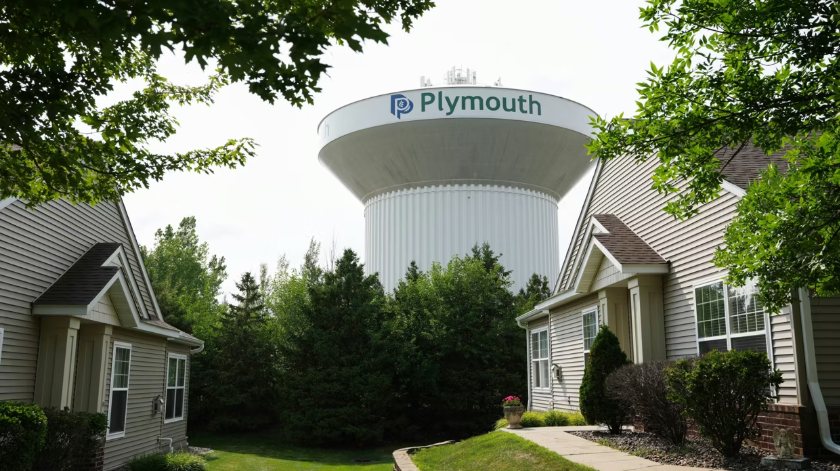
According to officials, more than 30 community water systems in Minnesota were targeted in a coordinated cyberattack, and investigators later warned that Iranian hackers were likely behind the activity. That alone should make everyone pay attention. Water is not just another service. It is essential. When attackers start probing water systems, they are not only testing technology they are testing public confidence.
What Happened in Minnesota
From the information made public so far, the attacks took place over July 26 and 27 and affected more than 30 municipal water systems across Minnesota. Some reports said the attackers disrupted automated controls, and at least one plant had to switch to manual operation. Even when the water itself remains safe, that kind of disruption is serious because it forces operators to react under pressure.
What stands out to me is that this wasn’t described as a random incident. Officials used the phrase “coordinated cyberattack,” which suggests planning, repetition, and intent. That matters because it tells us this was not just opportunistic scanning. It was likely a deliberate effort to find weak points in a critical service.
Why Water Systems Matter So Much
Water systems sit in a very uncomfortable position. On one hand, they are public utilities that everyone depends on. On the other hand, many of them were built around industrial control systems that were never designed for the cyber threat landscape we live in now. That creates a problem.
A lot of these facilities operate with limited budgets, smaller teams, and legacy equipment. They may have remote access for maintenance, vendor support, or monitoring, but once those systems are reachable from outside, the attack surface grows fast. In simple terms, every connection adds convenience, but it can also add risk.
That is why water systems are such tempting targets. Attackers know they do not need to shut down an entire region to make a point. They only need to create enough disruption to trigger fear, force manual intervention, or make people question whether the system is trustworthy.
Why Officials Suspect Iranian Hackers
The attribution part of this story is important, but it has to be handled carefully. Investigators initially disclosed the attacks without naming a culprit, and later reporting said U.S. and state officials believed Iranian hackers were likely responsible. Some reports pointed to Iran-linked groups such as CyberAv3ngers as possible actors.
That broader warning fits a pattern we have been seeing for some time. U.S. officials had already been alerting local water and wastewater systems about increased cyber risk tied to Iran-linked activity. So when Minnesota was hit, it did not happen in a vacuum. It happened in the middle of a much larger conversation about state-linked cyber pressure on critical infrastructure.
The Real Security Problem
The Minnesota incident is not just about Iran, and it is not just about one attack. It is about the weaknesses that made this kind of attack possible in the first place.
When I look at incidents like this, I usually see the same root issues:
- Remote access that is too open.
- Weak segmentation between IT and operational technology.
- Legacy devices that are hard to patch.
- Limited visibility into what assets are actually connected.
- Inconsistent monitoring and logging.
- Small security teams trying to protect very large environments.
That combination is dangerous. A determined attacker does not always need advanced zero-day techniques. Sometimes all they need is an exposed interface, a weak password, or a controller that was never meant to face the internet.
And that is what makes this story uncomfortable. The threat is advanced, yes. But the weakness is often basic.
Why Manual Operation Saved the Day
One detail that stood out in the reporting is that at least some facilities were able to switch to manual operation. That may sound like a small thing, but it is actually a huge resilience win.
Manual fallback is one of those boring, practical safeguards people forget about until they need it. If your automated system is compromised and operators can still take over by hand, then the incident becomes a disruption instead of a disaster. That doesn’t mean the attack is harmless far from it but it means the system still has a chance to function safely.
This is why resilience planning matters so much. Cybersecurity is not only about preventing attacks. It is also about making sure that when attacks happen, the damage is contained and the service can continue in some form.
What This Means for Local Utilities
If I were talking directly to a utility manager or an OT security team, I would say this: do not assume your size protects you. Small and mid-sized water systems are exactly the kind of target that can be hit because they often have fewer resources and less security maturity than large industrial operators.
The good news is that many of the defenses are straightforward.
1. Tighten remote access
Only allow remote access where it is absolutely necessary, and put MFA in place everywhere it can be used.
2. Separate IT and OT
Your business network should not be too close to your control network. Strong segmentation is one of the most effective defenses you can buy.
3. Know your assets
You cannot protect what you cannot see. Build a clear inventory of controllers, remote sessions, vendor connections, and exposed devices.
4. Patch what you can
Not every OT system is easy to patch, but everything should be assessed, prioritized, and protected with compensating controls when updates are delayed.
5. Test manual backups
If your system went down tomorrow, could your team take over quickly and safely? That question needs a real answer, not a hopeful one.
6. Share threat intelligence
If one utility sees suspicious activity, others should know quickly. That is how you stop a local incident from becoming a regional one.
The Bigger National Security Lesson
The part that really matters here is that water systems are no longer just “local infrastructure.” They are part of the national security picture. A cyberattack on a municipal utility may look small on paper, but it can still create public fear, political pressure, and operational strain.
That is why these incidents deserve so much more attention than they used to get. They show how a foreign actor can target the weak points of everyday life without firing a shot. They also show how much of our safety now depends on systems that most people never see.
When people turn on the tap, they assume the infrastructure behind it is stable. That trust is one of the most important things a society has. Once it starts to erode, the damage goes beyond cybersecurity. It affects confidence in public institutions themselves.
Future Outlook
The immediate next step is investigation, and that is already underway. But the long-term response has to be better than just asking who did it. We need to ask why these systems were exposed, what gaps were left open, and how many other utilities are sitting in the same condition.
I think the next wave of action should focus on three things:
- Better federal and state support for local utilities.
- Stronger OT security standards that are practical, not just theoretical.
- Faster sharing of indicators and tactics across the water sector.
If we do that, then a bad incident can still lead to a stronger system. That is the goal.
The Path Forward
The Minnesota water attack is a reminder that critical infrastructure is only as secure as the weakest link in the chain. Water systems may not be glamorous, but they are essential, and that makes them valuable targets. If attackers can force a water plant into manual mode, they have already succeeded in shaking trust and exposing fragility.
The real lesson here is simple: cybersecurity for water systems is public safety work. It is not optional, and it is not something to postpone. The sooner utilities treat OT security as a core operational priority, the better prepared they will be for the next attempt.
About the Author