North Korea’s reported expansion of its spy agency is a sign of tighter internal control, more aggressive foreign intelligence gathering, and deeper military preparation. The move appears tied to regime survival, rising external pressure, and the country’s broader push to strengthen nuclear and reconnaissance capabilities.
North Korea Expands Spy Agency: Causes, Threats, Precautions, and Prevention
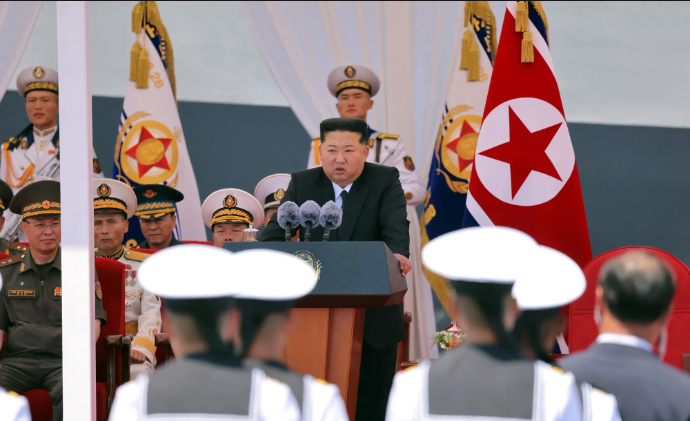
North Korea has once again put its intelligence apparatus at the center of national security. According to recent reporting, Kim Jong Un ordered a broader role for the Reconnaissance General Bureau, North Korea’s main military intelligence agency, while state media linked the move to “potential enemies” and the need to gather critical information.
This development matters far beyond the Korean Peninsula. North Korea’s intelligence and cyber units have long been associated with espionage, infiltration, and cyber operations, so any expansion of their mission can affect embassies, defense firms, technology companies, and critical infrastructure worldwide.
What the expansion means
The Reconnaissance General Bureau, often abbreviated as RGB, is North Korea’s key military intelligence organ. Recent reports say the agency’s functions and missions are being expanded, along with possible personnel reshuffles and a stronger focus on reconnaissance and intelligence gathering.
The timing is important. North Korea has also been moving to strengthen its nuclear forces and renew the technical infrastructure of its combat systems, which suggests that the intelligence buildup is part of a wider military modernization effort rather than an isolated administrative change.
Causes of the expansion
One major cause is regime survival. North Korea sees the outside world, especially the United States and South Korea, as hostile, so strengthening intelligence helps the regime monitor threats and reduce uncertainty. The language of “potential enemies” shows that Pyongyang frames intelligence work as defensive even when its methods are offensive.
A second cause is the need for better foreign intelligence. North Korea has long depended on intelligence collection to learn about military technology, sanctions enforcement, surveillance systems, and defense planning in rival states. Recent reports also suggest interest in improving the country’s ability to acquire advanced military information, including through reconnaissance satellites and other technical means.
A third cause is cyber capability. North Korean state-linked groups have repeatedly targeted governments, think tanks, defense organizations, healthcare institutions, and financial firms, and official advisories say these activities support the regime’s military and nuclear ambitions. In other words, the spy agency is not only about human intelligence; it is part of a broader hybrid threat system.
A fourth cause is domestic control. Intelligence agencies in highly centralized systems often serve two roles at once: they collect foreign secrets and police loyalty at home. Expanding such an agency can help the leadership tighten discipline, manage internal factions, and reinforce Kim Jong Un’s control over the security apparatus.
Threats to global security
The first threat is classic espionage. Foreign ministries, embassies, defense contractors, and research institutions may face increased attempts at surveillance, infiltration, impersonation, or theft of sensitive data. South Korean reporting has also warned of overseas operations against embassy staff and citizens.
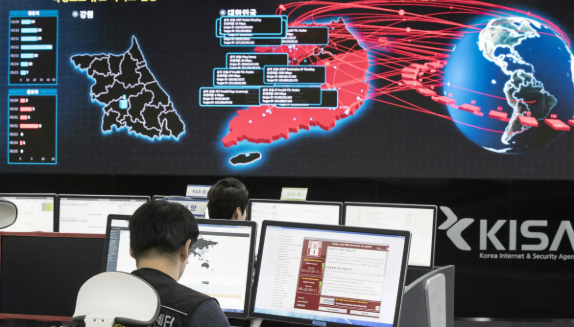
The second threat is cyber intrusion. North Korean-linked actors have been described as using phishing, malware, ransomware, and identity theft to breach organizations and steal information. A U.S. threat overview notes that recent activity includes ransomware campaigns and espionage linked to North Korean state-sponsored actors.
The third threat is hybrid coercion. North Korean operations may combine intelligence collection, financial crime, influence activity, and military preparation. That makes them harder to detect and more damaging when they succeed, because the same network can be used for spying, extortion, and strategic support.
The fourth threat is regional escalation. If intelligence operations intensify alongside nuclear and missile modernization, South Korea, Japan, and the United States may respond with stronger countermeasures, raising the risk of an arms race and accidental escalation.
Precautions for governments
Governments should treat North Korean intelligence activity as a long-term, persistent threat. That means stronger counterintelligence, tighter vetting of personnel with access to sensitive systems, and closer monitoring of unusual contacts, recruitment attempts, or travel patterns.
Embassies and consulates should harden physical security and improve staff awareness. Practical steps include secure communications, controlled entry, local threat briefings, and clear procedures for surveillance reporting or suspicious outreach.
Cyber defense should be a top priority. Organizations tied to defense, aerospace, nuclear, engineering, energy, or medical sectors should patch quickly, use multi-factor authentication, monitor for phishing, and segment networks so one breach does not spread widely.
Governments should also share intelligence faster. Joint advisories from allies have already shown the value of coordinated warnings, and similar cooperation can help expose infrastructure, tactics, and front companies before damage spreads.
Precautions for companies

Private-sector companies need to assume they may be targets even if they are not directly in defense. North Korean actors have been linked to attacks on financial, technology, and infrastructure-related organizations, so any firm with valuable data or access to supply chains should raise its defenses.
The most useful controls are basic but essential: phishing awareness training, strict access control, endpoint protection, account monitoring, and incident response drills. Companies should also restrict the movement of sensitive files and require approval for unusual transfers, especially where intellectual property is involved.
Vendor risk is another weak point. A single compromised contractor or service provider can expose many downstream organizations, so procurement teams should review security requirements, audit partners, and watch for suspicious account behavior in third-party environments.
Prevention measures
Prevention starts with reducing opportunity. That means closing known vulnerabilities, limiting unnecessary internet exposure, enforcing least privilege, and treating every suspicious message, QR code, attachment, or login request as potentially hostile. North Korean campaigns have used sophisticated phishing tactics that try to bypass normal controls.
Prevention also requires detection. Security teams should log and correlate authentication anomalies, unusual geolocation changes, data exfiltration patterns, and persistence techniques so they can catch intrusions early. The goal is not just to block attacks, but to identify them before they become strategic losses.
At the policy level, sanctions enforcement and disruption of procurement networks matter. North Korea’s military and intelligence programs rely on access to equipment, software, money, and front networks, so international pressure is most effective when it targets those enabling channels, not just public rhetoric.ncsc.
Public education helps too. Journalists, academics, diplomats, activists, and business travelers are all more resilient when they know how spear-phishing, impersonation, and social engineering work. Simple habits like verifying contact details, separating work and personal devices, and avoiding unknown links can block many attacks before they start.
Why this matters now
This expansion is significant because it comes at the same time North Korea is moving to strengthen nuclear forces and modernize combat systems. That suggests a coordinated security strategy in which intelligence, cyber operations, and military power reinforce one another.
It also shows that the challenge is not purely military. North Korea’s intelligence apparatus can influence cybersecurity, diplomacy, technology theft, and regional stability all at once, which is why responses need to be equally broad.
About the Author