
Cyber Defacement and Public Trust
The brief defacement of several U.S. Army websites shows how a seemingly small web incident can create a large public impact. Attackers used a legacy third-party platform to display pro-Kurdish messages and insults aimed at President Donald Trump before the affected pages were taken offline. Even if the compromise was limited to public-facing content, it still mattered because military websites represent authority, reliability, and discipline.
Why Legacy Systems Matter
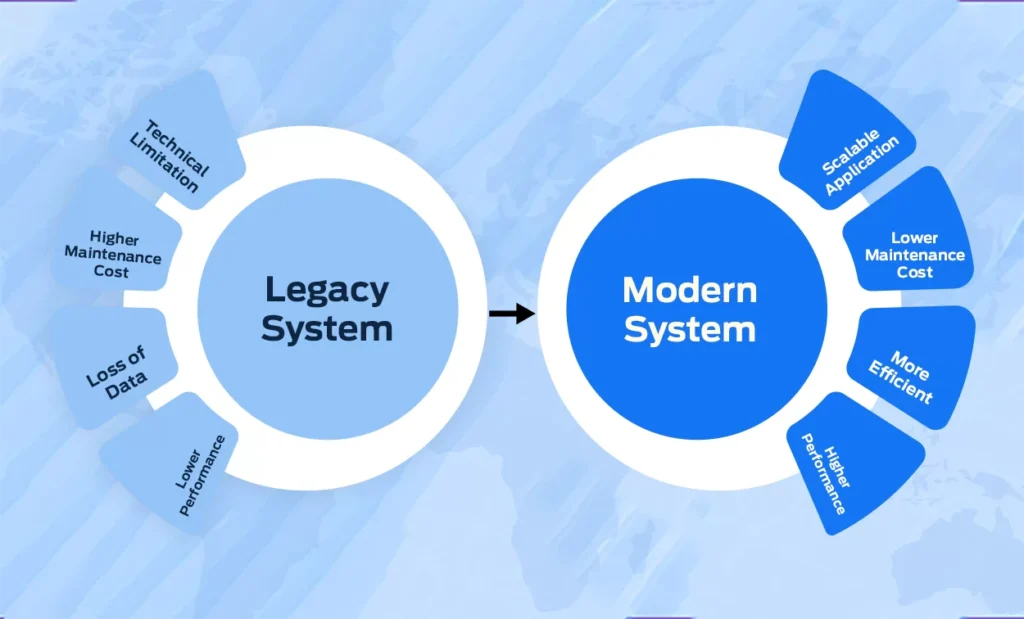
This incident highlights the risk of relying on outdated hosting environments. Legacy platforms often contain old code, weak access controls, and unclear responsibility between agencies and vendors. When security ownership is fragmented, vulnerabilities can remain hidden for long periods. Attackers do not always need to penetrate a secure internal network; sometimes they only need access to a poorly maintained public page.
Precautions to Take
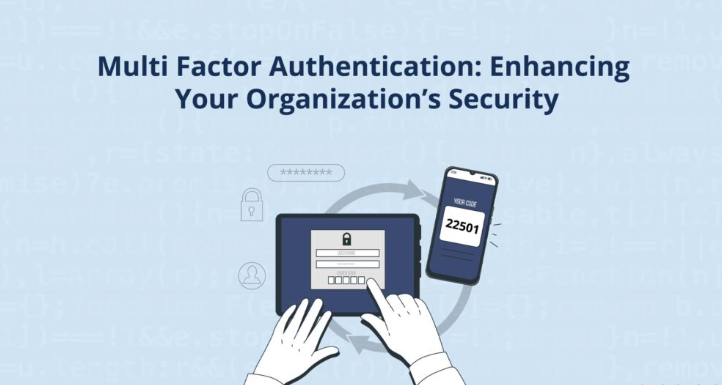
Organizations should maintain a complete inventory of all web assets, including older pages and third-party hosted content. They should retire obsolete platforms, enforce multi-factor authentication, and limit administrative privileges. Regular patching, security audits, and continuous monitoring are also essential. Clear vendor contracts should define who handles updates, logging, and incident reporting so that security gaps do not fall between organizations.
Preventive Measures for the Future
Prevention requires more than one control. Agencies should use backup systems, test incident-response plans, and run routine integrity checks on all public-facing pages. Security teams should watch for unauthorized changes in real time and restore content quickly if defacement occurs. Most importantly, public websites should be treated as critical digital assets, not low-priority property. The lesson from this incident is simple: protecting visibility is part of protecting trust.
About the Author