China’s 100-Gigawatt Microwave Weapon: A New Era of Electronic Warfare
Modern warfare is changing rapidly. Instead of relying only on missiles and bombs, countries are increasingly investing in technologies that can disable an opponent without causing massive physical destruction. One of the latest developments comes from China, where researchers have revealed progress on a high-power microwave (HPM) weapon capable of producing pulses of up to 100 gigawatts.
Rather than destroying buildings or vehicles, these weapons are designed to target the electronics that power today’s military systems, satellites, drones, and communications networks. If this technology performs as claimed, it could significantly reshape how future conflicts are fought.
What Has China Announced?
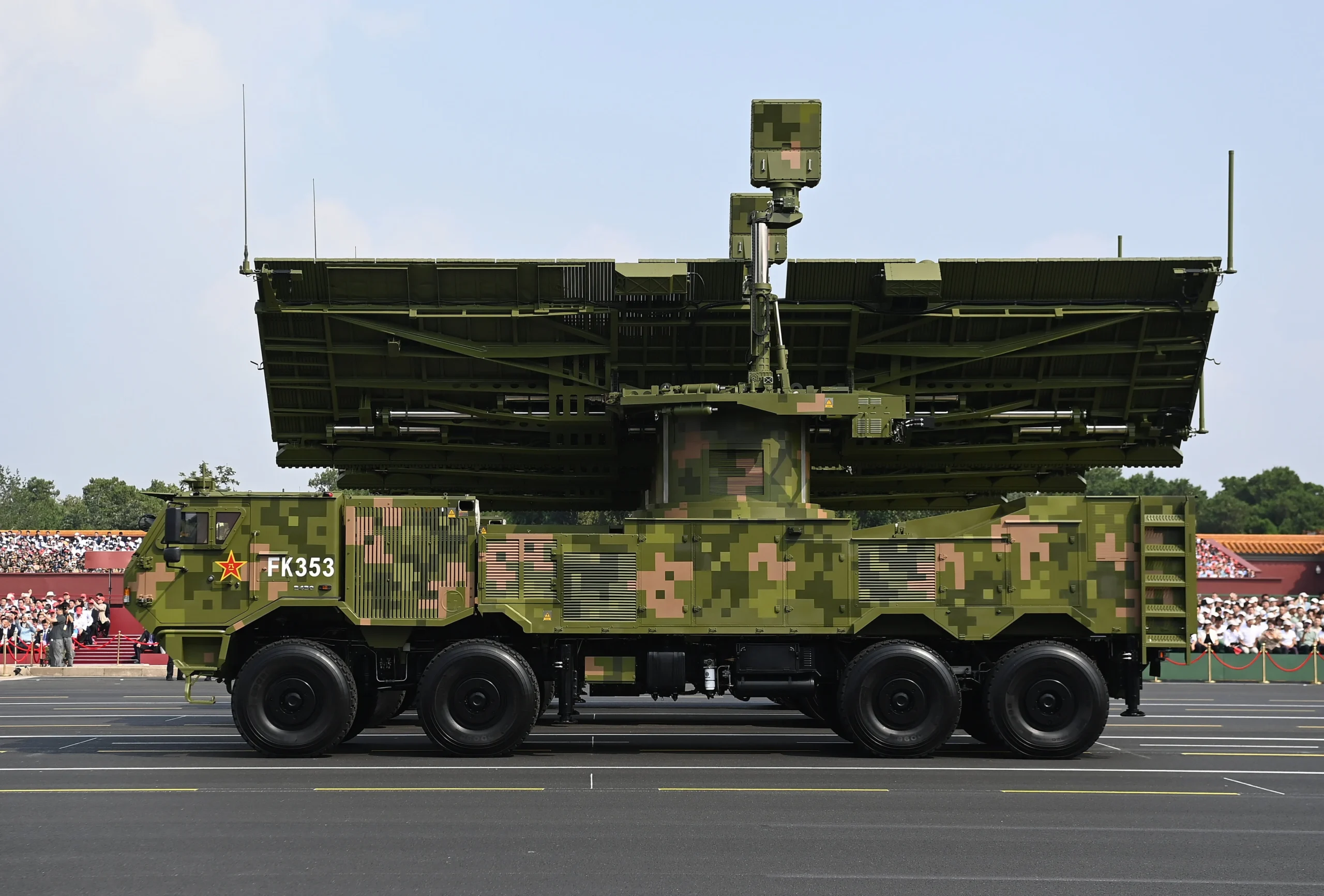
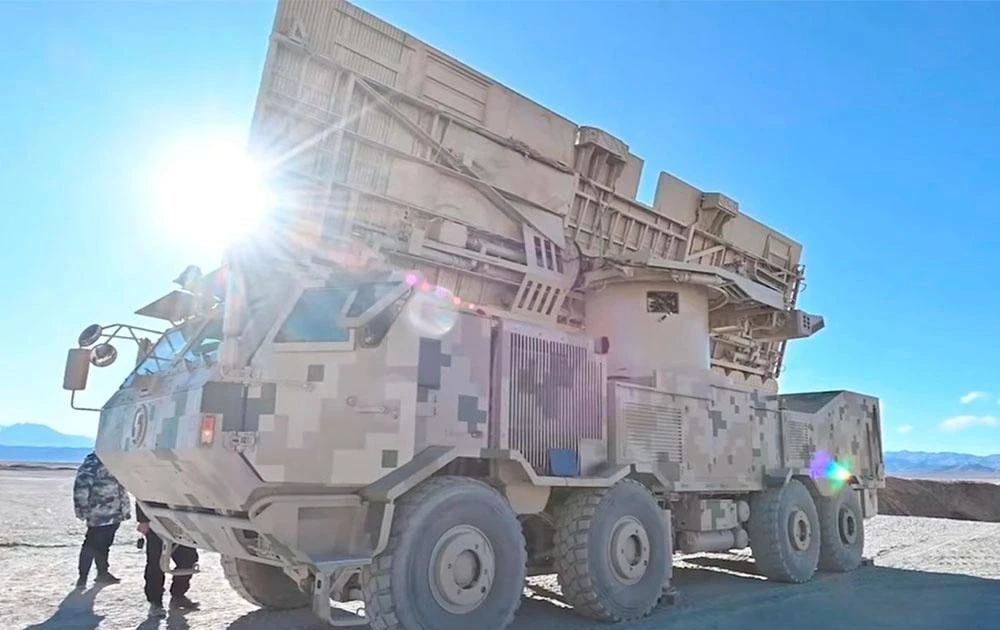
Researchers from China’s National University of Defense Technology (NUDT) have published details of a high-power microwave system that combines multiple synchronized pulse generators to produce outputs approaching 100 gigawatts.
To understand how powerful that is, consider a household microwave oven. A typical microwave operates at around 800 watts, which is an incredibly small fraction of a gigawatt. Although the comparison isn’t perfect because these systems operate very differently, it helps illustrate just how much energy China’s system is designed to deliver in extremely short bursts.
Unlike conventional weapons, high-power microwave weapons don’t rely on explosions. Instead, they emit powerful electromagnetic pulses that can interfere with or permanently damage sensitive electronic components.
Why Is This Significant?
Modern military forces depend heavily on electronics. Satellites provide navigation and communications, drones gather intelligence and conduct strikes, and advanced weapons rely on computers and sensors to function accurately.
If those electronics stop working, even temporarily, entire military operations can be disrupted.
According to reports based on the published research, even microwave pulses at the gigawatt level may interfere with low Earth orbit (LEO) satellites. A system capable of generating much higher power could potentially threaten larger satellite constellations that support communications, surveillance, and navigation.
One of the major advantages of this approach is that it avoids creating space debris. Traditional anti-satellite missiles physically destroy spacecraft, leaving behind dangerous debris that can remain in orbit for years. Microwave weapons, by contrast, aim to disable electronics while leaving the satellite itself largely intact.
Why Is China Investing in This Technology?
Several factors appear to be driving China’s interest in high-power microwave weapons.
The growing importance of satellite constellations is one major reason. Modern conflicts increasingly rely on networks of satellites for communication, positioning, and intelligence, making them attractive strategic targets.
Another factor is the global shift toward directed-energy weapons. Countries around the world are investing in technologies such as lasers and microwave systems because they can engage targets almost instantly, have relatively low operating costs compared with missiles, and offer non-kinetic ways to disable enemy capabilities.
High-power microwaves are also well suited for countering large drone swarms. Instead of intercepting drones one at a time, a microwave beam could potentially affect multiple electronic systems simultaneously.
Together, these trends explain why directed-energy research has become an increasingly important area of military development.

What Are the Potential Threats?
Although microwave weapons don’t produce dramatic explosions, they could have significant strategic effects.
Threats to Satellites
Satellites are among the most obvious targets.
A sufficiently powerful microwave pulse could interfere with onboard electronics, disrupt communications, damage sensors, or even permanently disable critical systems.
If larger microwave systems become operational, they could potentially affect multiple satellites during a single engagement, disrupting communications or intelligence networks over wide areas.
Another challenge is attribution. Since satellites would remain physically intact, it may not be immediately clear whether a failure resulted from natural space conditions, an internal malfunction, or a deliberate microwave attack.
Threats to Military Equipment
High-power microwaves could also affect military systems operating on land, at sea, or in the air.
Potential targets include:
- Drone swarms
- Missile guidance systems
- Radar installations
- Communication networks
- Command-and-control systems
- Electronic sensors
Instead of physically destroying these systems, microwave weapons aim to disable the electronics that allow them to operate.
Strategic Risks
The emergence of powerful directed-energy weapons also raises broader security concerns.
If countries believe their satellites or command systems could be silently disabled during a crisis, the risk of misunderstanding and rapid escalation may increase.
At the same time, major military powers are likely to accelerate their own directed-energy programs, potentially fueling another arms race in advanced military technologies.
Current international laws governing space activities were largely written before these types of non-kinetic weapons became realistic capabilities, leaving many legal and policy questions unresolved.
How Can Countries Reduce the Risk?
While no country can prevent others from developing new military technologies, several measures can reduce their impact.
Build More Resilient Systems
One of the most effective approaches is improving the resilience of critical electronics.
Military and space systems can be designed with better electromagnetic shielding, stronger surge protection, and more robust electronic components capable of surviving higher electromagnetic exposure.
Redundant architectures also help. If one satellite or communication node fails, others can continue operating, reducing the overall impact of an attack.
Using multiple communication methods—including satellites, fiber networks, and terrestrial systems—can further improve resilience.
Improve Operational Readiness
Operational planning also plays an important role.
Military organizations can develop backup communication systems, distribute command functions across multiple locations, and create contingency plans that allow operations to continue even if some electronic systems are degraded.
Layered defenses that combine electronic warfare, cyber capabilities, kinetic defenses, and directed-energy systems provide greater flexibility during complex conflicts.
Strengthen Intelligence and Monitoring
Monitoring directed-energy developments is becoming increasingly important.
Tracking research programs, testing activities, and possible deployment platforms helps governments better understand emerging capabilities.
Space surveillance and electromagnetic monitoring systems may also improve the ability to detect unusual activity and support attribution if satellite disruptions occur.
Information sharing between allied nations can further improve situational awareness.
Expand International Cooperation
Diplomatic efforts remain important even as technology advances.
International discussions on responsible behavior in space may eventually need to address non-kinetic weapons such as high-power microwaves.
Confidence-building measures, greater transparency around testing, and discussions about protecting civilian infrastructure could help reduce misunderstandings during periods of tension.
Although diplomacy is unlikely to stop technological development, it can help establish norms for responsible behavior.
The Growing Importance of Electronic Resilience
High-power microwave weapons are likely to become an increasingly important part of modern military planning.
Future armed forces may integrate them into missions involving counter-drone operations, missile defense, electronic warfare, and anti-satellite capabilities.
At the same time, the boundaries between cyber operations, electronic warfare, and space operations are becoming increasingly blurred. Future conflicts may combine cyberattacks, signal jamming, electronic deception, and microwave weapons into coordinated campaigns designed to disable critical systems without widespread physical destruction.
The private sector will also face new challenges. Commercial satellite operators, telecommunications providers, and companies developing autonomous technologies may need to place greater emphasis on electromagnetic resilience, business continuity planning, and cooperation with governments.
The Future of Modern Warfare
China’s announcement of progress toward a 100-gigawatt high-power microwave system highlights the growing importance of non-kinetic warfare in the modern security environment. While many publicly reported details remain difficult to independently verify, the broader trend is clear: militaries around the world are investing heavily in technologies that can disable electronics rather than destroy physical infrastructure.
As reliance on satellites, digital communications, and autonomous systems continues to grow, protecting those electronic foundations will become just as important as defending traditional military assets. The future of warfare may increasingly be decided not only by firepower, but also by control of the electromagnetic environment.
About the Author