Joint Sanctions Signal Escalation
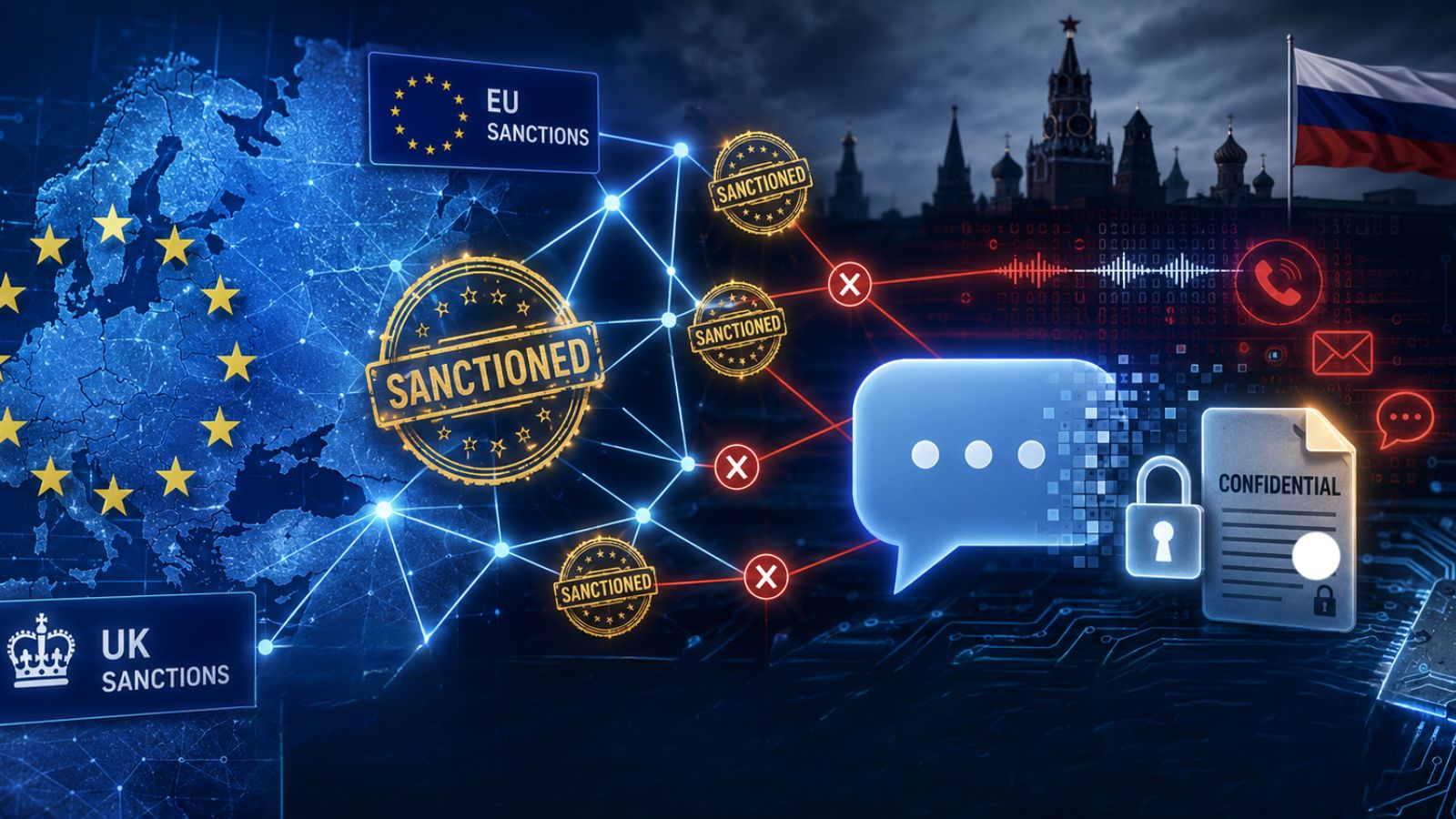
The EU and UK’s joint sanctions on Russia over cyber attacks mark a serious escalation in how governments are responding to digital aggression. Rather than treating cyber operations as isolated technical events, they are now being framed as strategic threats with real political and economic consequences. That shift matters because cyber attacks can disrupt critical services, steal sensitive data, and undermine trust in institutions without a single missile being fired. Sanctions are meant to raise the cost of hostile behavior, limit access to resources, and signal that cyber operations will trigger coordinated international consequences.
At the center of this development is a growing recognition that cyber conflict is no longer theoretical. It is a routine feature of modern geopolitics, with attacks affecting government departments, businesses, media outlets, election systems, and essential infrastructure. Joint sanctions are not just punitive; they are also deterrent tools. By acting together, the EU and UK increase diplomatic pressure and make it harder for targeted actors to evade accountability. They also communicate unity, which is important in cyber defense because fragmented responses often invite more aggression.
Cyber Threat Landscape
The threats associated with state-linked cyber activity are broad and constantly evolving. One of the biggest concerns is espionage, where attackers seek confidential data from governments, defense organizations, and major industries. Another major threat is disruption, including website defacement, denial-of-service attacks, and sabotage of digital services. In more serious cases, attackers may target energy systems, transportation networks, financial institutions, or public communication channels to create confusion or force operational delays.
Ransomware is also part of the threat landscape, especially when criminal groups operate with tacit support or protection from state-linked ecosystems. Supply-chain attacks are particularly dangerous because they exploit trusted vendors and software providers to reach many victims at once. Phishing, credential theft, and malicious attachments remain common initial access methods. Once inside, attackers may move laterally, escalate privileges, and remain hidden for long periods. The result is not always immediate damage; sometimes the objective is persistence, intelligence gathering, or preparing for future disruption.
A key challenge is attribution. Cyber operations can be difficult to trace with certainty, and threat actors often use proxies, compromised infrastructure, or false flags to obscure responsibility. That makes coordinated sanctions especially significant, because they reflect a political judgment based on intelligence, not just a public technical report. Even when the public does not see every detail, the goal is to impose consequences that discourage repetition and signal that cyber aggression is part of the broader security agenda.
Impact on Institutions
The impact of cyber attacks extends far beyond the immediate victim. Governments may face operational downtime, emergency response costs, and public criticism if services are disrupted. Businesses may experience financial losses, intellectual property theft, legal exposure, and reputational harm. Critical infrastructure operators face even greater risk because compromise can affect safety, continuity, and public welfare. When attacks target hospitals, transport systems, utilities, or emergency communications, the consequences can be immediate and severe.
Public confidence is another major casualty. Even when systems are restored quickly, the perception that attackers gained access can weaken trust in digital services. This is especially true for institutions that rely on citizens to submit sensitive information online. If people think systems are unsafe, they may hesitate to use them, which can reduce service efficiency and create additional administrative burdens. In this sense, cyber attacks are not just technical events; they are trust events.
The geopolitical impact is equally important. Joint sanctions send a message that cyber attacks are not cost-free and that international cooperation will be used to respond. They may also influence future diplomatic negotiations by setting boundaries around acceptable behavior. However, sanctions alone cannot eliminate the threat. They are one part of a broader strategy that includes defense, intelligence sharing, public-private coordination, and resilience planning.
Prevention Strategies
Preventing cyber attacks requires a layered approach because no single control is enough. Organizations should begin with strong access management. Multi-factor authentication should be mandatory for all privileged accounts, and password policies should be paired with monitoring for stolen credentials. Least-privilege access is equally important, because limiting user permissions reduces the damage if an account is compromised. Regular reviews of access rights help remove unnecessary privileges before they become a problem.
Patch management is another core defense. Attackers often exploit known vulnerabilities, especially in internet-facing systems. Prompt patching, asset inventory management, and vulnerability scanning can reduce that exposure. Organizations should also eliminate or isolate unsupported software, since legacy systems are a common weak point. If a service cannot be retired immediately, it should be segmented and protected with compensating controls such as stricter monitoring and restricted access.
Network segmentation and zero-trust principles can also limit attacker movement. Instead of assuming that internal users or devices are safe, modern security models verify trust continuously. This makes it harder for an attacker who breaches one system to move freely across the environment. Endpoint protection, logging, and security analytics help detect suspicious activity early, while centralized visibility allows defenders to correlate signals that might otherwise be missed.
Precautions for Organizations
Organizations should treat cyber resilience as a leadership issue, not just an IT function. Executive teams need to understand which assets are most critical, what the likely threat scenarios are, and how much downtime the organization can tolerate. A risk-based approach makes it easier to prioritize investments where they matter most. Not every system needs the same level of protection, but every critical system should have clear safeguards and recovery plans.
Third-party risk management is especially important. Many attacks begin through vendors, contractors, or software suppliers, so organizations must evaluate the security posture of external partners carefully. Contracts should define security expectations, incident reporting timelines, and compliance obligations. Vendors with access to sensitive systems should undergo due diligence and periodic reassessment. If a supplier cannot meet minimum standards, the risk may be too high to justify the relationship.
Backup and recovery planning are also essential precautions. Offline, immutable, and regularly tested backups can make the difference between a temporary outage and a prolonged crisis. Organizations should know how quickly they can restore key services and who is responsible for making that happen. Recovery plans should be documented, rehearsed, and updated after each incident. In a real attack, speed and clarity matter as much as technical capability.
Personal and Workplace Hygiene
Cyber defense is not only about enterprise systems. Individual behavior still plays a major role in reducing risk. Employees should be trained to recognize phishing attempts, suspicious links, and social engineering tactics. Many intrusions begin with a simple email or fake login page, so awareness training can prevent a costly breach. People should also avoid reusing passwords across services and should use password managers where appropriate.
At the workplace level, security teams should run regular awareness campaigns and simulations. Phishing exercises, tabletop incident drills, and role-based training help employees internalize good habits. Technical controls are stronger when users are prepared to support them. If staff know how to report suspicious activity quickly, defenders can respond earlier and contain threats before they spread. In cyber defense, fast reporting is often just as valuable as sophisticated tools.
Remote and hybrid work adds another layer of risk. Home networks, personal devices, and cloud applications widen the attack surface. Organizations should enforce secure device management, encrypted connections, and clear policies for remote access. Employees should understand that convenience cannot come at the expense of security, especially when handling confidential or mission-critical information.
Policy and Deterrence
Sanctions are part of a broader policy toolkit designed to deter malicious state behavior. They work best when paired with attribution, diplomatic coordination, and public communication. If hostile actors believe cyber attacks will produce only limited backlash, the incentive to continue remains high. But if attacks lead to financial restrictions, travel bans, asset freezes, and reputational consequences, the cost-benefit calculation changes.
That said, deterrence in cyberspace is difficult. Unlike conventional military actions, cyber operations are often low-cost, deniable, and repeatable. This makes consistency important. Governments need to respond predictably, proportionally, and collaboratively. Clear thresholds help reduce ambiguity and strengthen the credibility of future responses. International cooperation also matters because cyber infrastructure crosses borders, and isolated national action is often not enough.
Public messaging should avoid exaggeration while still making the stakes clear. Overclaiming success or underplaying risk can erode trust. The most effective policy response is one that demonstrates resolve, supports victims, and strengthens collective defense. Joint sanctions are meaningful not because they solve the problem on their own, but because they show that cyber attacks now carry diplomatic and economic consequences.
Building Resilience
Resilience is the long-term answer to an environment where cyber threats are persistent. Organizations that assume breach is possible are better prepared than those that assume prevention will always hold. Resilience means designing systems to fail safely, recover quickly, and continue operating under pressure. It also means prioritizing continuity over perfection. Not every attack can be stopped, but many can be absorbed with limited damage.
This requires investment in architecture, people, and process. Secure system design reduces exposure from the start. Skilled security teams improve detection and response. Well-practiced incident plans reduce confusion during an actual event. Together, these layers create a more durable defense posture. The objective is not to eliminate all risk, which is impossible, but to reduce the likelihood and impact of attacks.
For governments, businesses, and critical infrastructure operators, the lesson from joint sanctions and cyber conflict is simple: preparation is cheaper than recovery. The threat environment will continue to evolve, and adversaries will keep looking for weak points. Organizations that invest in prevention, precautions, and resilience today will be much better positioned to withstand the next wave of attacks.
Global Cyber Diplomacy
The EU and UK sanctions against Russia over cyber attacks reflect a new reality in international security. Cyber operations are now treated as strategic acts with consequences that extend well beyond the digital realm. They can disrupt institutions, threaten essential services, and weaken public trust. Joint sanctions are an important signal, but they must be matched by stronger defenses at every level.
The most effective response combines deterrence, prevention, and preparedness. Governments must coordinate, organizations must harden their systems, and individuals must practice good cyber hygiene. Together, these measures reduce the success rate of attacks and limit the damage when incidents occur. In a world where cyber threats are constant, resilience is not optional; it is a necessity.
About the Author